 by UNI-Prep Institute · Updated July. 21, 2026
Many people think that if you can speak English fluently, you can teach English online. But if it were that easy, everyone would become an English teacher. Being able to speak English and being an English teacher are not the same thing. Speaking English doesn't require much more than knowing English, but teaching English requires a lot of skills and experience.
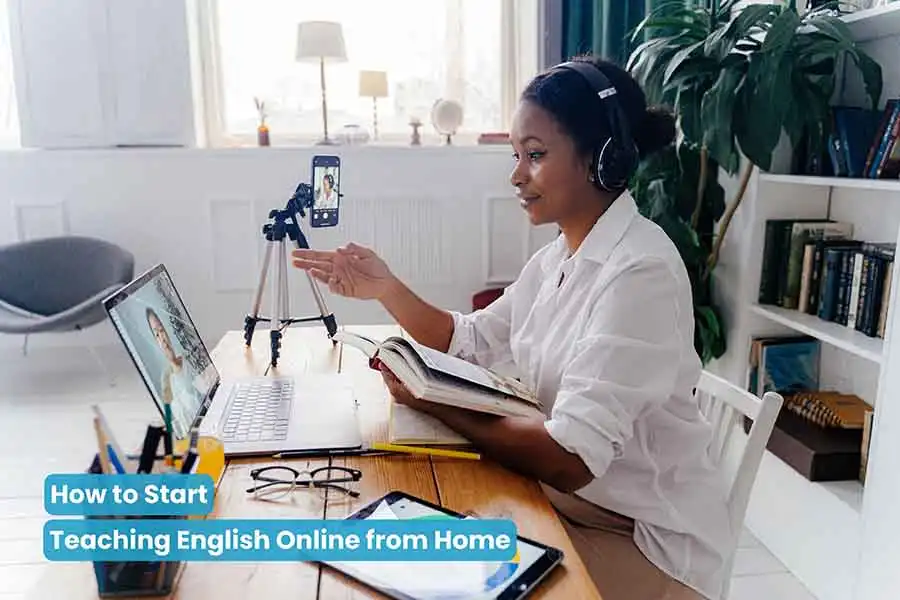
If you want to teach English from home, you need to know different teaching methods, you will need technological tools, you will need an attractive Teacher Profile, interactive lesson plans and sometimes an Accredited TEFL or TESOL certificate. Despite having many skills, many people cannot start teaching English from home because they don't know where to start and how to move forward.
So in today's blog, we will share some tips that will leave you with no questions about how to start teaching English online from home, how to move forward and how to increase your income. Let's get started
1. Evaluate Your English Language Skills
There are various international standards (such as CEFR ) for assessing English skills, ranging from A1 (beginner) to C2 (advanced/proficient). You can take free online tests from the following websites to assess your listening, speaking, reading and writing skills:
Cambridge English: Use the Cambridge English Test to assess general or academic English.
British Council: There is a British Council online test for grammar and vocabulary tests.
EF SET: For a complete four-skill assessment (reading, listening, writing, speaking) with a certificate, see EF SET.
When assessing your English skills, pay special attention to the following four basic language skills:
Listening Skills: Can you understand the main points and important information correctly when listening to simple conversations, online classes, podcasts, videos or complex discussions? As an online teacher, it is very important to listen carefully to students' questions and understand them quickly.
Reading Skills: Can you easily understand the main content and important information in English books, newspapers, blogs, research papers, or other educational materials? Good reading skills make it much easier to create lesson plans and select appropriate learning materials for students.
Speaking Skills: Can you speak English clearly and fluently with confidence? Being able to carry on a natural conversation with students or other English speakers without extra preparation on a topic is one of the most important skills for a successful online teacher.
Writing Skills: Can you create emails, notes, lesson plans, or other written content using accurate grammar, correct wording, and clear sentences? Good writing skills play an important role in preparing effective instructions, feedback, and learning materials for students.
Read More:
2. Earn an Accredited TEFL or TESOL Certificate
Although not mandatory, a TEFL qualification is highly recommended for teaching English online. While there are many job opportunities, many organizations like ours require a regulated and properly accredited TEFL certification. To obtain an internationally recognized TEFL or TESOL certificate, you will need to complete at least 120 hours of online or classroom training. You can earn this certificate easily and affordably through multiple platforms that are recognized worldwide. Many international employers and students prefer teachers who have received formal training. Therefore, a recognized certification can increase your job opportunities and have a positive impact on your teaching career in the long run.
3. Decide Which Type of Students You Want to Teach
Not all English learners have the same goals. Some want to improve their conversational English, while others are preparing for exams like IELTS or TOEFL. Some students may need Business English for professional communication.
Choosing a specific teaching niche helps you create focused lesson plans, market your services more effectively, and establish yourself as an expert in a particular area. Specialization also makes it easier to stand out in a competitive online teaching market.
4. Prepare the Right Teaching Equipment
The quality of your online classes depends heavily on your technical setup. A reliable computer or laptop, a high-quality webcam, a clear microphone or headset, and a stable internet connection are essential for delivering professional lessons.
Good video and audio quality improve the learning experience and help students stay engaged throughout the lesson. A smooth, interruption-free class also builds trust and demonstrates your professionalism.
5. Create a Professional Teaching Space
Your home classroom should be quiet, clean, and well-organized. Choose a space with good lighting and minimal background noise to ensure students can focus entirely on the lesson.
Keep your background simple and professional, or use a suitable virtual background if necessary. A neat and organized teaching environment creates a positive first impression and reflects your commitment as an educator.

6. Build an Attractive Teacher Profile
Your teacher profile is often the first thing potential students will see. Make sure it clearly highlights your educational background, TEFL or TESOL certification, teaching experience, specializations, and teaching style.
Adding a professional photo, a friendly introduction, and a short introductory video can increase students' confidence in your abilities. A well-crafted profile significantly improves your chances of attracting new students.
7. Choose the Right Online Teaching Platform
There are many online platforms where ESL teachers can connect with students from around the world. Before joining any platform, compare factors such as payment rates, commission fees, student demand, teaching requirements, and platform policies. Platforms such as italki , Preply allow you to create a personal profile, set your own rates, and attract your own students.
You can also choose to teach independently by creating your own website or promoting your services through social media. Selecting the right platform based on your goals and experience is one of the most important decisions you'll make.
8. Plan Engaging and Interactive Lessons
Effective online teaching is much more than simply following a textbook. Create lessons that encourage students to participate actively through games, quizzes, videos, role-playing activities, discussions, and real-life examples.
Each lesson should have clear learning objectives, structured activities, and opportunities for students to practice what they have learned. Interactive lessons keep students motivated and improve their overall learning outcomes.

9. Learn to Use Online Teaching Tools
Modern online teaching relies on digital tools such as Zoom, Google Meet, Microsoft Teams, Google Classroom, Canva, PowerPoint, and interactive whiteboards.
Learning how to use these tools effectively will help you deliver more engaging lessons, manage your classroom efficiently, and provide a better learning experience for your students.
10. Start Building Your Personal Brand
Being a successful online English teacher requires more than teaching skills: you also need to market yourself effectively. Create a professional presence on LinkedIn, Facebook, YouTube, or your own website to showcase your expertise.
Share educational content regularly, publish student testimonials, and maintain an active online presence. Over time, these efforts will help you build credibility, attract more students, and establish yourself as a trusted English teacher.
Read More:
11. Continue Improving Your Teaching Skills
The first and most important requirement for teaching English online is fluency in the language. Many students prefer to work with fluent English speakers, both native and non-native. Moreover, the field of English language teaching is constantly evolving with new methodologies, AI-powered teaching tools and innovative learning technologies. Make professional development a priority to stay competitive. Attend webinars, enroll in professional development courses, attend workshops and keep yourself updated with the latest teaching trends. Lifelong learning will not only improve the quality of your teaching, but also help you provide more value to your students.
12. Be Patient and Build Your Career Gradually
Most successful online English teachers did not build their careers overnight. Finding your first students may take time, so remain patient and focus on delivering high-quality lessons consistently.
Happy students often recommend their teachers to friends and family, helping you grow through word-of-mouth referrals. By maintaining professionalism, continuously improving your skills, and prioritizing student success, you can gradually build a rewarding and sustainable online teaching career.

13. Prepare for Your First Demo Class
Many online learners prefer to take a trial or demo class before choosing a teacher. Therefore, prepare a short and engaging lesson plan in advance for your first class. At the beginning of the session, learn about the student's goals and current level of English proficiency. Then, help them feel comfortable by using simple speaking or vocabulary activities.
Creating a friendly learning environment, speaking clearly, and adapting your teaching to the student's needs can leave a positive first impression. A successful demo class can often lead to a long-term teaching relationship with the student.
14. Set Fair Pricing and Plan Your Income
Many new online teachers are unsure how much they should charge for their lessons. When starting out, set a competitive price by considering your experience, qualifications, teaching niche, and the rates charged by other teachers in the market.
As you gain more experience and receive positive reviews, you can gradually increase your rates. In addition, setting monthly income goals, planning your teaching schedule, and developing strategies to retain regular students can help you build a stable source of income.
15. Collect Feedback from Your Students
Make it a habit to collect feedback from your students after completing each course or after several lessons. This will help you understand what worked well and identify areas where you can improve.
Positive reviews and testimonials make your teacher profile more credible and trustworthy. Since many new students choose a teacher based on the experiences of previous learners, strong feedback can significantly increase your chances of attracting more students in the future.
Conclusion
Teaching English online from home is more than just a way to earn extra income: it is an opportunity to build a rewarding international career. With strong English skills, a recognized TEFL or TESOL certification , well-planned lessons, and a professional approach, you can successfully teach students from around the world.
Remember that success does not happen overnight. By continuously improving your skills, understanding your students' needs, and delivering high-quality lessons, you can establish yourself as a successful online English teacher. Start planning today, invest in your professional development, and take the first step toward building a fulfilling global teaching career from the comfort of your home.