 by UNI-Prep Institute · Updated September. 28, 2026
Research shows that the global English language teaching market is currently valued at around 95 billion dollars, and more than 2 million TEFL job opportunities are created worldwide every year, proving that teaching English abroad is a genuine opportunity to build a well-planned international career.
However, the real success of this career largely depends on choosing the right destination. When it comes to teaching English abroad, many of us think of conventional destinations like Paris, Tokyo, Rome, Seoul, or Barcelona, simply because these are the most talked about cities worldwide.
But there are many lesser known cities around the world that offer quality job opportunities, an affordable cost of living, and a rich cultural environment, while also having comparatively less competition. Choosing a city like this doesn't mean limiting your career opportunities; in fact, many smaller cities offer a much better work life balance.
In today's article, we'll discuss 5 lesser known cities that we hope will be extremely helpful in choosing your next destination for teaching English abroad. Let's get started…
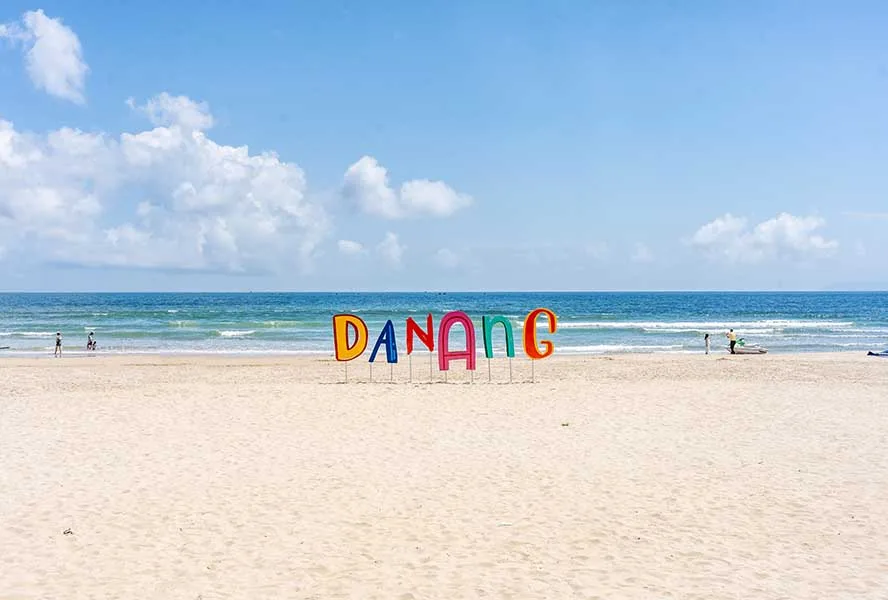
Da Nang, Vietnam: Teach English Abroad in a Coastal, Laid-Back City
Da Nang in Vietnam is a wonderful city for teaching English abroad, and it's currently one of the most popular destinations among teachers. It's an ideal place especially for those who want to avoid the hustle and bustle of an overly busy city and instead build a good career amid beautiful natural surroundings and an affordable cost of living. Here's a realistic breakdown of the city's pros and cons:
Pros
Da Nang is a calm and beautiful coastal city. Unlike Ho Chi Minh City or Hanoi, there's no heavy traffic jams or excessive pollution here. Outside of work, teachers can enjoy a great lifestyle with beach trips and visits to nearby mountainous areas. The cost of living here is about 15% to 25% lower than in Hanoi or Ho Chi Minh City. So even though the salary is somewhat lower, it's still possible to save more here at the end of the day compared to bigger cities. Also, Da Nang doesn't have the dual visa complications that Ho Chi Minh City has, which makes it somewhat easier to get a valid work permit here.
Cons
The English teaching market here is smaller compared to Ho Chi Minh City or Hanoi. Apart from the major large language centers, the number of international schools here is fairly limited. Also, because of the pleasant environment, many experienced foreign teachers want to stay in Da Nang, which can make it somewhat harder for new or entry level teachers to land a job directly here.
Salary and Cost of Living
Here's a breakdown of an English teacher's average income and expenses in Da Nang:
Institution Type |
Estimated Monthly Salary (USD) |
Estimated Monthly Salary (VND) |
Language Centers |
1,150 – 1,550 |
28 – 38 million VND |
Public Schools |
1,200 – 1,650 |
30 – 40 million VND |
International Schools |
1,650 – 2,050+ |
40 – 50 million VND+ |
A 1 bedroom flat here typically rents for between $250 and $400. With food and transportation included, you can live very comfortably on $600 to $900 a month. Since costs are low, it's possible to save anywhere from $500 to $1,200 a month.
Minimum Requirements to Apply
To legally teach English in Vietnam, you'll need the following qualifications:
A minimum of a Bachelor's Degree in any subject.
-
A recognized TEFL/TESOL certificate (a minimum 120 hour course).
-
If you're a non native speaker, you'll need to show an IELTS or TOEFL score as proof of your English proficiency.
A clean criminal record or police clearance certificate from your home country's police department.

Taichung, Taiwan: Teach English Abroad in a Modern University City
Much like Da Nang in Vietnam, Taichung in Taiwan is extremely popular among teachers for teaching English abroad, and it's often called a wonderfully balanced city for both career and savings. The cost of living here is fairly low compared to the capital Taipei, while job opportunities and salary rates remain quite attractive. Here's a detailed breakdown of Taichung's overall environment and teaching opportunities:
Pros
Taichung is known as Taiwan's most comfortable city weather wise. It gets less rainfall than Taipei, and it doesn't experience extreme heat or cold. Because of its central location, you can reach Taipei or Kaohsiung in just about an hour by bullet train. The cost of living in Taichung is about 24% lower than in Taipei, and rent in particular can be up to 40% cheaper. Yet since salaries here are equal to or close to Taipei's, teachers are able to save the most money here.
Taichung is Taiwan's second most populous city. It has hundreds of private cram schools, or "Buxiban," along with public schools, where there's strong demand for foreign English teachers all year round.
Cons
Unlike Taipei, Taichung doesn't have an extensive subway or MRT network; only a single line is currently operating. For getting around, you'll mainly need to rely on buses or your own scooter. Due to its geographic location and local factories, Taichung's air can get somewhat hazy or polluted during certain times of the year, especially in winter.
Salary and Cost of Living
Taiwan's currency is the New Taiwan Dollar (NT$). 1 US dollar is roughly equal to NT$32.5.
Institution Type |
Estimated Monthly Salary (NT$) |
In US Dollars (USD) |
Buxiban / Cram Schools |
40,000 – 70,000+ |
1,230 – 2,150+ |
Public Schools |
60,000 – 75,000 |
1,850 – 2,300 |
International Schools |
80,000 – 200,000+ |
2,460 – 6,150+ |
In Taichung, a nice furnished 1 bedroom studio apartment typically rents for between $300 and $450. A single person's total monthly expenses, including food, bills, and transportation, usually come to around $770 to $1,080. A typical teacher can live very comfortably here while still saving anywhere from $450 to $1,100 a month.
Minimum Requirements to Apply
To get a valid work permit and resident visa in Taiwan, you'll need at least a Bachelor's Degree from a recognized university and a minimum 120 hour TEFL/TESOL certificate. You'll also need a clean criminal record or an apostilled/authenticated Police Clearance Certificate issued by your home government.
Under Taiwanese law, applying as an English teacher generally requires holding citizenship from one of seven officially recognized countries: the USA, UK, Canada, Ireland, Australia, New Zealand, or South Africa, not simply any country where English happens to be an official language. Citizens of countries outside this list, including many where English is widely spoken, such as India, Nigeria, or the Philippines, are not eligible for the standard work permit.
For non-native English speakers or citizens of non-recognized countries, getting a visa directly through a private school is fairly complicated and uncommon. However, if you have a Bachelor's or Master's degree taught in English and a strong IELTS score (7.5+), it may be possible to qualify through certain case-by-case exceptions or at international schools, though such routes remain competitive and are not guaranteed.

Cuenca, Ecuador: Teach English Abroad in a Colonial Andean City
Cuenca in Ecuador is a wonderful destination for teaching English abroad, though it's best suited for the experience rather than for saving a large amount of money. This UNESCO World Heritage City is well known worldwide for its affordable living, colonial architecture, and safe environment. Compared to Da Nang in Vietnam or Taichung in Taiwan, Cuenca's job market and economic situation are quite different. Here's a realistic breakdown of the city:
Pros
Compared to major cities in other Latin American countries, Cuenca is much safer and cleaner. The climate here stays comfortable like springtime all year round. The US dollar (USD) is used as the main currency here, so there's no hassle with currency exchange. Being one of Latin America's most affordable cities, you can enjoy a high quality of life at a very low cost.
Getting a "Professional Visa" or teaching visa in Ecuador is somewhat easier compared to Asian countries. Many teachers even come here on a tourist visa, find local work, and then convert their visa status.
Cons
Compared to Asia, English teacher salaries here are somewhat lower. The local salary is enough to live comfortably, but saving money or sending it back home is fairly difficult. Also, having a basic knowledge of Spanish is almost essential for daily life and school administrative work here. It's hard to get by with English alone.
Salary and Cost of Living
The US dollar (USD) is used as the official currency in Ecuador.
Institution Type |
Estimated Monthly Salary (USD) |
Type of Work |
Language School / Institute |
500 – 800 |
Part time or hourly pay |
Public/Private School |
700 – 1,100 |
Full time contract based |
University & International Schools |
1,200 – 1,800+ |
Requires higher qualifications and experience |
In Cuenca, a furnished 1 bedroom apartment typically rents for between $250 and $350. A single person's total monthly expenses, including food, utility bills, and transportation, come to around $500 to $700. With a typical job, it's hard to save more than $0 to $200 a month. However, many teachers earn extra income through Online Teaching or private tutoring.
Minimum Requirements to Apply
-
A Bachelor's degree in any subject (the university certificate must be recognized by Ecuador's Ministry of Education or SENESCYT).
A recognized TEFL/TESOL certificate (minimum 120 hours).
An authenticated police clearance certificate from your home country.
Unlike Vietnam or Taiwan, there are no strict legal requirements here. If non native speakers can speak English fluently and have a good IELTS score, they get an equal chance at job opportunities here.
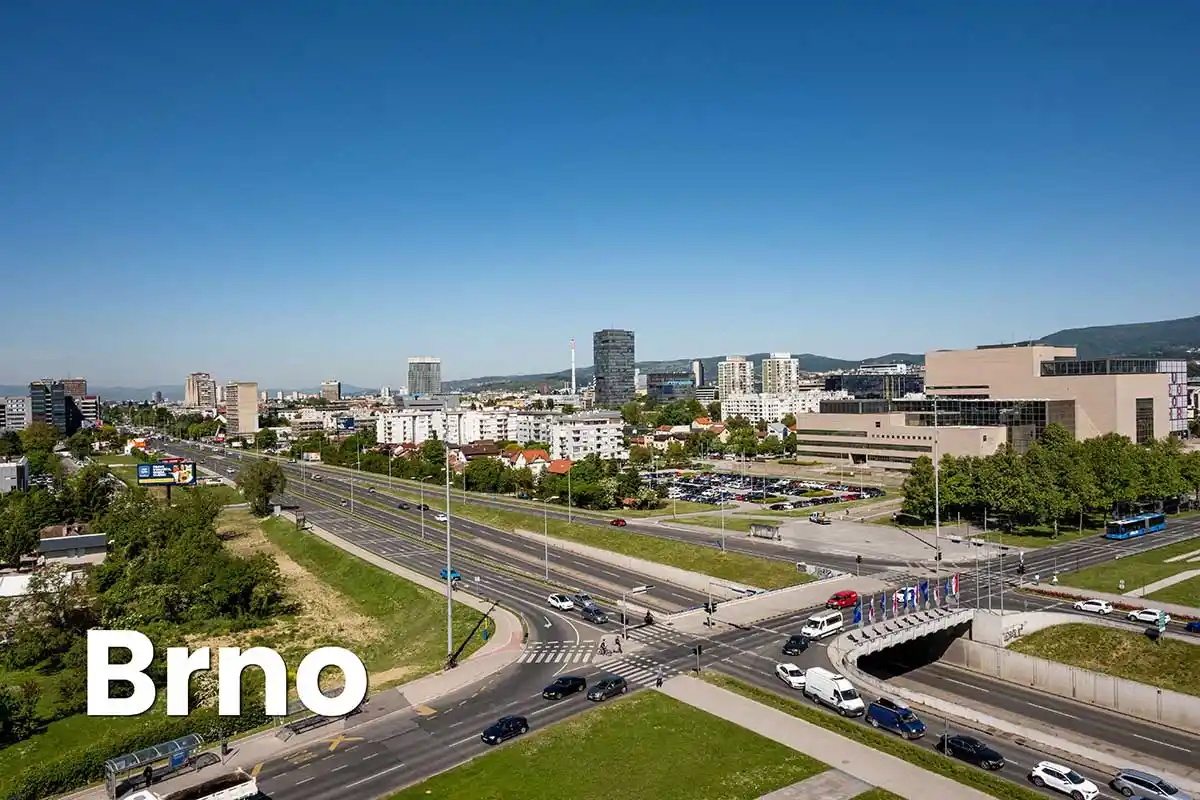
Brno, Czech Republic: Teach English Abroad in an Underrated Student City
Brno in the Czech Republic is a wonderful hidden gem for teaching English abroad. It's best suited for a European lifestyle and a solid career, though not for saving huge amounts of money like in Asia. Compared to the capital Prague, Brno is much more affordable, student friendly, and offers an excellent quality of life. Here's a detailed breakdown of this city's pros and cons for teaching English in the heart of Europe:
Pros
Brno is known as the Czech Republic's "student city," because a large portion of its population is made up of university students. As a result, it has a very modern, wonderful cafe culture and a lively nightlife.
It's also a major IT and business hub. IBM and Red Hat have offices here. Employees at many multinational companies want to improve their English, which creates plenty of part time and full time work opportunities through language schools and corporate clients. The city's public transportation system is excellent and cheap. Thanks to its location, you can reach major European cities like Vienna, Bratislava, or Prague by train or bus in just 2 to 3 hours.
Cons
Like other European countries, you'll have to pay around 15% to 25% tax on your salary here. Even though the cost of living is low, since salaries aren't as high as in Asia, the amount you can save each month stays fairly limited. Also, if you're a non EU citizen, getting direct sponsorship or a "Work Visa" through a language school is fairly complicated and time consuming. Most non-EU teachers here work under a Zivnostensky List (a freelance trade license or business visa).
Salary and Cost of Living
The Czech Republic's currency is the Czech Koruna (CZK). 1 US dollar is roughly equal to 23 CZK.
Institution Type |
Estimated Monthly Salary (CZK) |
In US Dollars (USD) |
Language Schools |
30,000 – 45,000 |
1,300 – 1,950 |
Corporate / Business Teaching |
35,000 – 50,000+ |
1,520 – 2,170+ |
International Schools |
50,000 – 70,000+ |
2,170 – 3,040+ |
Monthly Expenses: In Brno, a furnished 1 bedroom or studio apartment typically rents for between 12,000 and 18,000 CZK ($520 to $780). A single person's total monthly expenses, including food, transportation, and insurance, come to around 22,000 to 30,000 CZK ($950 to $1,300).
Monthly Savings: After expenses and taxes, you can typically save between $300 and $700 a month, which is enough to travel around Europe.
Minimum Requirements to Apply
-
A Bachelor's degree in any subject (mandatory for international or public schools, though some general language schools will consider you with just a TEFL, without a degree).
-
A recognized and internationally accepted TEFL/TESOL certificate (must be a minimum 120 hour course and must include hands-on classroom teaching practice).
An authenticated and apostilled police clearance certificate from your home country.
If you're applying from outside the EU, having the highest level of proof of English proficiency (such as IELTS 8.0+ or equivalent) and prior teaching experience is almost essential, because schools have to prove that they couldn't find these qualifications in a local or EU citizen.

Pereira, Colombia: Teach English Abroad in Colombia's Coffee Region
Pereira in Colombia is a wonderful "off the beaten path" destination (lesser known but full of potential) for teaching English abroad. It's best suited for immersing yourself in Latin American culture and enjoying a great lifestyle, though again, not for saving huge amounts of money. Located at the heart of Colombia's famous Coffee Axis region, this city is known for its pleasant weather, friendly people, and low cost of living. Here's a realistic breakdown of Pereira compared to bigger cities like Bogota or Medellin:
Pros
Pereira is known as the "green city." The weather here stays very pleasant all year round (neither too hot nor too cold). Being close to coffee plantations and the Andes mountains, the natural surroundings are outstanding. Living costs in Pereira are much lower compared to Colombia's bigger cities. Even with a mid range teaching salary, you can live quite a comfortable or even somewhat luxurious lifestyle here.
Since there aren't many foreign tourists or teachers here, local people are very welcoming toward foreigners. It's an ideal place to quickly immerse yourself in the local culture and learn Spanish.
Cons
Compared to Asian countries, salaries here are fairly low. The local currency, the Colombian Peso (COP), fluctuates somewhat. The income here is enough to live well locally, but saving a large amount and sending it back home is difficult. Spanish is needed: having a basic knowledge of Spanish is very important for daily life and for communicating outside of school. The number of English speaking people here is fairly limited.
Salary and Cost of Living
Colombia's currency is the Colombian Peso (COP). 1 US dollar is roughly equal to 4,100 COP.
Institution Type |
Estimated Monthly Salary (COP) |
In US Dollars (USD) |
Language Institute (such as Colombo Americano) |
2,500,000 – 3,500,000 |
600 – 850 |
Private/Public School |
3,000,000 – 4,500,000 |
730 – 1,100 |
Universities |
4,000,000 – 6,000,000+ |
970 – 1,450+ |
In a safe area of Pereira, a nice 1 bedroom apartment typically rents for between $240 and $365. A single person's total monthly expenses, including food and transportation, come to around $500 to $680. With a typical job, it's hard to save more than $100 to $300 a month. However, many teachers earn extra income through online teaching or part time corporate classes.
Minimum Requirements to Apply
-
A Bachelor's degree in any subject (mandatory for international schools or universities, though it can be relaxed at smaller institutes).
A recognized TEFL/TESOL certificate (minimum 120 hours).
An authenticated police clearance certificate from your home country.
The Colombian government encourages foreign teachers to help expand education. If you're a non native speaker, you'll have a good chance at job opportunities as long as you can speak English fluently and have a good IELTS (7.5+) or TOEFL score. To get Colombia's M-5 (Talent or Work Visa), you'll need an offer letter from a school.
Conclusion
Teaching English abroad is so much more than just a job. It's a powerful way to get to know a new culture, gain valuable professional skills, and build long term international experience. Popular cities still attract most teachers, and understandably so, but the five cities on this list show that you don't always have to go to a well known destination to find good opportunities.
Each of these cities offers a comparatively affordable cost of living, a welcoming local community, and growing demand for English teachers. If you're interested in stepping outside conventional destinations to gain a fresh experience, these cities can offer you a rewarding and well planned opportunity to begin your international career.