 by UNI-Prep Institute · Updated October. 5, 2026
Making young children sit at a study table and memorize rhymes or vocabulary is a difficult task. Words learned by force are quickly forgotten, and children's interest in studying fades too. But what if the learning happened through a game?
Research has shown that when children learn through play, the knowledge sticks in their minds faster and their enthusiasm for learning multiplies. Play-based learning works wonders, especially when teaching a second language like English.
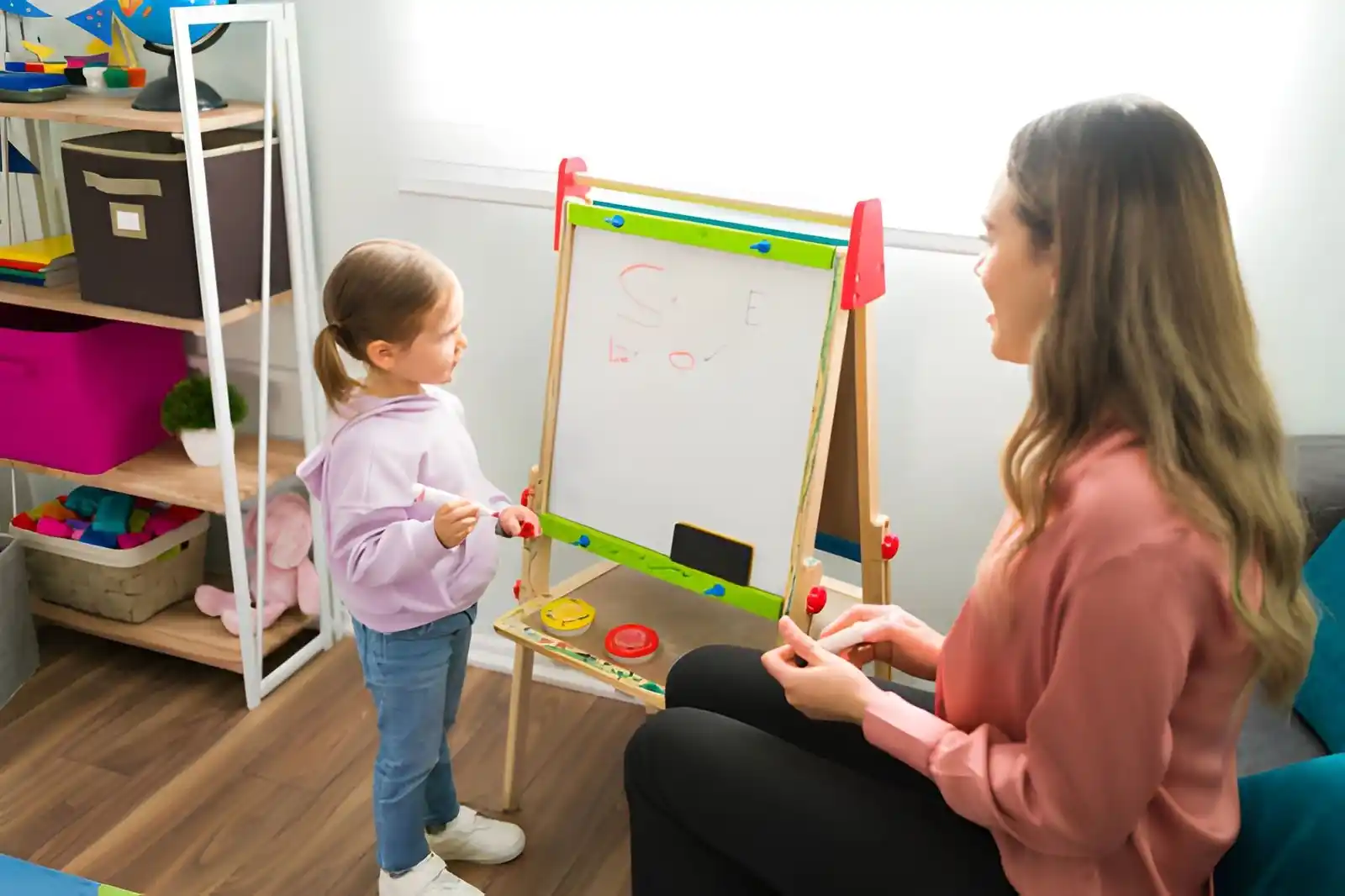
So in today's article, we'll discuss 5 classroom games that ESL teachers around the world have used in their own classes to teach children English vocabulary, with great results.
If you are an ESL teacher, or you are concerned about teaching English to children, I hope this article will be extremely helpful for you.
1. Simon Says
Simon Says is one of the most popular, simple, and effective physical and mental skill games used to teach English in classrooms around the world. It works wonderfully for teaching children English Listening Skills, as well as Action Words (Verbs) and Body Parts.
The Core Idea of the Game
In this game there is a leader or instructor (usually the teacher), who is called Simon. The rest of the students follow his instructions. But there is a twist, or condition:
-
If the leader begins the sentence with "Simon says...", only then will the students perform the action.
-
If the leader gives a direct command without saying "Simon says", the students must not perform the action; they will stay still.
How to Play the Game in the Classroom
Step 1: The teacher asks everyone in the class to stand up straight. The teacher takes the role of "Simon" first.
Step 2: The teacher gives an English instruction in a loud voice. For example:
"Simon says, touch your nose."
Since the sentence begins with "Simon says", every child must touch their nose.
Step 3: Now the teacher gives an instruction without "Simon says". For example:
"Touch your ears."
This time, the children must not touch their ears. Those who touch their ears by mistake will be temporarily out for that round, or will have to sit down.
Step 4: The game continues at a fast pace, and the child who stays in until the end without making any mistake is the winner. In the next round, the winning child can be made "Simon" and the game can start again.
How to Build Vocabulary Through This Game
By slightly modifying this traditional game, you can help children memorize English words from various categories very easily. Here are some ideas:
1. Names of Body Parts
This is the simplest and most common form of the game. Through it, children learn the English names of different body parts.
Simon says, touch your shoulders.
Simon says, blink your eyes.
Simon says, wiggle your toes.
2. Action Verbs
This is highly effective for teaching children English words for different physical actions.
Simon says, jump three times.
Simon says, swim like a fish.
Simon says, clap your hands.
Simon says, stomp your feet.
3. Classroom Objects and Prepositions
Use this to teach children the names of things inside the classroom, as well as words like up and down.
Simon says, put your hand on the desk.
Simon says, touch something under your chair.
Simon says, point to the window.
4. Emotions and Feelings
Ask the children to act things out to teach them English words for expressing different feelings.
Simon says, show a sad face.
Simon says, laugh happily.
Simon says, look surprised.
5. Names and Sounds of Animals and Birds
To teach the names of different animals and how they sound:
Simon says, fly like a bird.
Simon says, roar like a lion.
Pro Tips for Teachers
To test how deeply children are paying attention, teachers can use some fun tricks. For example, the teacher says, "Simon says, touch your head," but touches their own cheek instead. If the children ignore the teacher's words and simply copy the action by touching their cheeks, they are out.
If you give one instruction after another very quickly, children start following every command like robots and forget to notice the words "Simon says". For example: "Simon says jump, Simon says clap, Simon says run, now stop!" (Here, those who stop are out, because "Simon says" wasn't said at the beginning.)
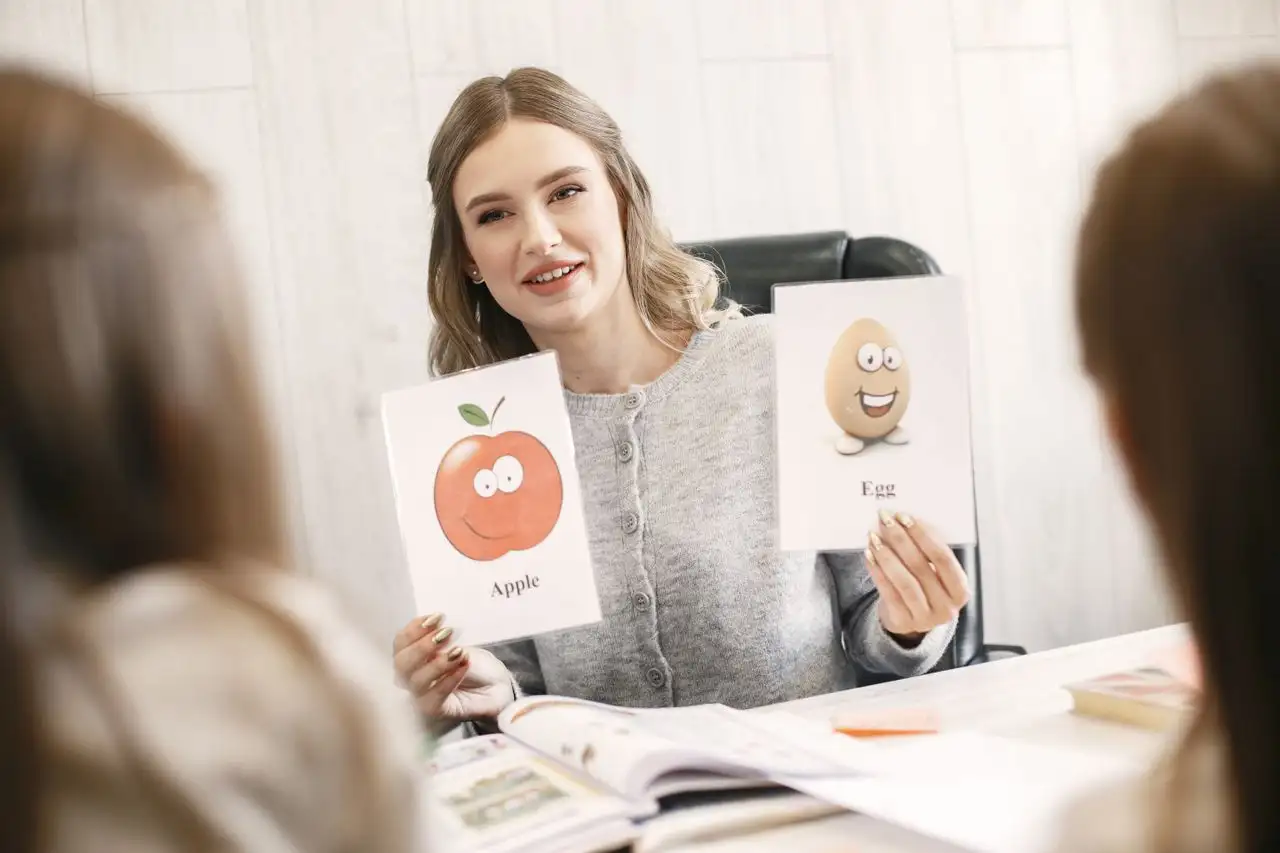
2. Flashcard Slap
Flashcard Slap is a very popular, high-energy game for reviewing vocabulary in ESL classrooms. This game instantly sharpens children's ability to recognize words quickly, along with their listening skills.
To play it in class, prepare in advance cards with pictures or names of the words or images you want to teach. You can also keep a plastic fly swatter on hand, which makes the game even more fun. If you don't have one, the children can use their bare hands.
How to Play the Game in the Classroom
Spread a number of flashcards over a large table in the classroom, or stick them on the blackboard with magnets or tape. Make sure the cards are visible to everyone. Then divide the whole class into 2 or 3 teams. One representative from each team comes to the front of the table or board. Their hands stay behind their backs.
The teacher says an English word out loud. The moment they hear the word, the students standing at the front run to the correct card and press or slap it hard with their hand or the plastic swatter. The student who touches the correct card first earns 1 point for their team. Then call the next set of students to the front for a new word.
How to Build Children's Vocabulary Through This Game
This game is mainly used to make new words stick permanently in children's minds after they have been taught. To deepen vocabulary, you can use the following techniques:
Level 1: Recognizing Pictures from Words: The board has pictures of various animals, or flashcards. The teacher says, "Elephant". The children slap the card with the elephant picture.
Level 2: Learning Phonics or Pronunciation: The board has various English letters or letter clusters. The teacher pronounces a word. The children must quickly go and slap the 'sh' card, because the word 'Ship' begins with 'sh'.
Level 3: Finding Words Through Meaning or Definition: To build children's intelligence, don't say the word directly; give a clue or definition instead. For example: the board has pictures of an apple, a banana, and an orange. You say, "It is a long fruit and it is yellow." The children figure out from the clue that it is a Banana and quickly slap the banana card.
Level 4: Learning Opposites: Place cards with adjectives on the board, such as Big, Hot, Fast. Now the teacher says a word, and the children must slap the card with its opposite. For example, if the teacher says Cold, the children must slap the Hot card.
Pro Tips for Teachers
Children often get excited and may hit each other's hands hard. So set a rule: hands go on the cards first, and no one may touch another person. Make sure the quick, energetic children don't keep coming to the front again and again. Give different children a chance in each round so that everyone in the class can participate.
If a child slaps just any card by guessing without understanding, deduct 1 point from their team. This way, they will learn to listen carefully and touch the card accurately. Remember, this is one of the best Energizer games for the classroom. When children get tired from studying, playing this game relieves their fatigue and helps them memorize their lessons very quickly.
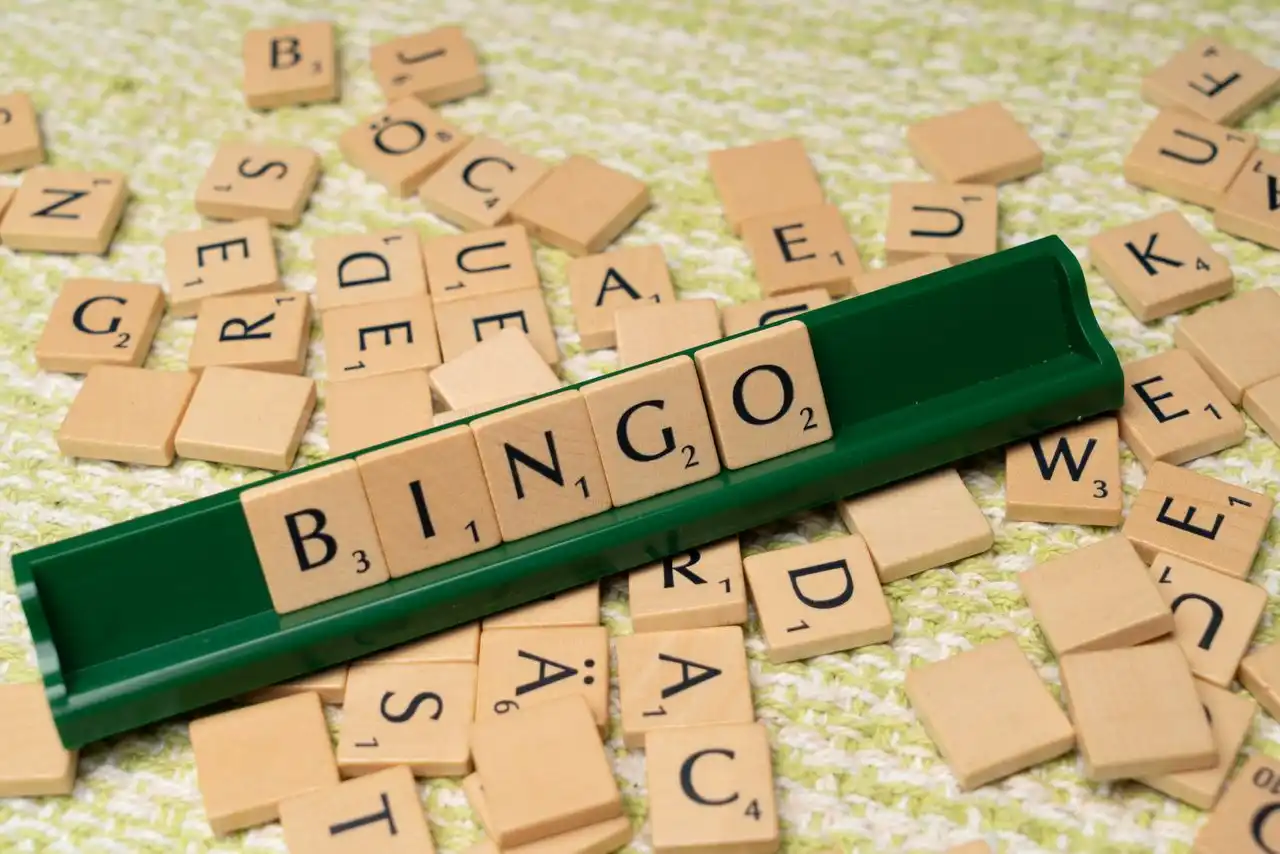
3. Bingo
Although Bingo is originally a world-famous number game, it is one of the best No-Prep games for building children's Vocabulary, Spelling, and Listening in English classrooms. In the traditional Bingo game, numbers from 1 to 75 are matched. When playing in the classroom, however, we use English words in place of numbers. Below, we discuss in detail the rules of the game, an easy way to play it in the classroom, and techniques for building vocabulary through it:
How to Play the Game in the Classroom
As the teacher, you don't need any printed cards in advance to play. It can be played very easily with the following steps:
Step 1: Ask all the students to draw a 3×3 (9 boxes) or 4×4 (16 boxes) grid in their notebooks.
Step 2: The teacher writes 12 to 20 English words on the board. For example: words from a recently taught topic, or new Vocabulary.
Step 3: The students choose words from the board's list as they like and fill in the boxes of the grid in their notebooks. Each student writes the words in Random order, so no one's card matches anyone else's.
Step 4: Now the teacher pronounces the words from the board's list aloud, one by one. The students listen carefully, and if the word the teacher says is on their grid, they cross it out with a pencil or mark it with a cross (X).
Step 5: As they keep crossing off words, when a student has crossed out all the words in any one line of their grid, Vertical, Horizontal, or Diagonal, they shout out loud: BINGO! The teacher checks their notebook against the board, and they become the winner of that round.
How to Build Vocabulary Through the Bingo Game
Rather than just saying the words aloud, making the game a bit more varied multiplies the speed at which children learn English:
Technique 1: Bingo with Pictures:
For young children, the teacher can draw some simple pictures on the board instead of words (for example: a ball, a
cat, a tree, an apple). The children write the English names of the pictures (Ball, Cat, Tree, Apple) in their
notebooks. The teacher points to a picture on the board, and the children cross out the word in their notebooks. This
combines pronunciation and spelling.
Technique 2: Bingo with Definitions or Clues:
The students write the English words directly in the grid (for example: Umbrella, Lion, Doctor). But the teacher
doesn't say the word directly; instead, they give a simple English definition or clue for it. For example:
The teacher says: "It is an animal, and it is the king of the jungle."
The children use their brains to figure out that the word is Lion, and whoever has Lion in their notebook crosses it
out. This improves students' ability to understand English sentences.
Technique 3: Bingo with Opposite Words:
The students write some Adjectives in their notebooks (for example: Hot, Big, Fast, Happy). The teacher says their
opposites aloud (for example: Cold, Small, Slow, Sad). When the teacher says "Cold", the children must find its
opposite, "Hot", in their notebooks and cross it out.
Pro Tips for Teachers
Keep a 'Free Space': Mark the center box of the Bingo card as a "FREE SPACE" or draw a smiley face in it. This box is crossed out or selected for everyone from the start. This helps children complete a line very quickly and makes the game even more thrilling.
Pronounce loudly and repeat: When calling each word, pronounce it clearly and loudly at least two to three times. For example: The next word is... Banana. B-A-N-A-N-A. Banana. This will perfect the children's listening skills.
Add variation instead of playing the same way every time: Instead of always going for a 'single-line Bingo', change the rules. For example, in this round, whoever completes the Four Corners wins, or whoever fills every box on the whole card first wins.
Arrange rewards: For the first child to say BINGO, arrange a star sticker, a colored pencil, or applause in front of everyone. This will make the rest of the class even more attentive for the next round.
Digital or handmade generators: You can make cards yourself by drawing grids in a notebook, or simply search for "Free Bingo Card Generator" on the internet and you'll easily find hundreds of colorful, print-ready Bingo cards suitable for children.
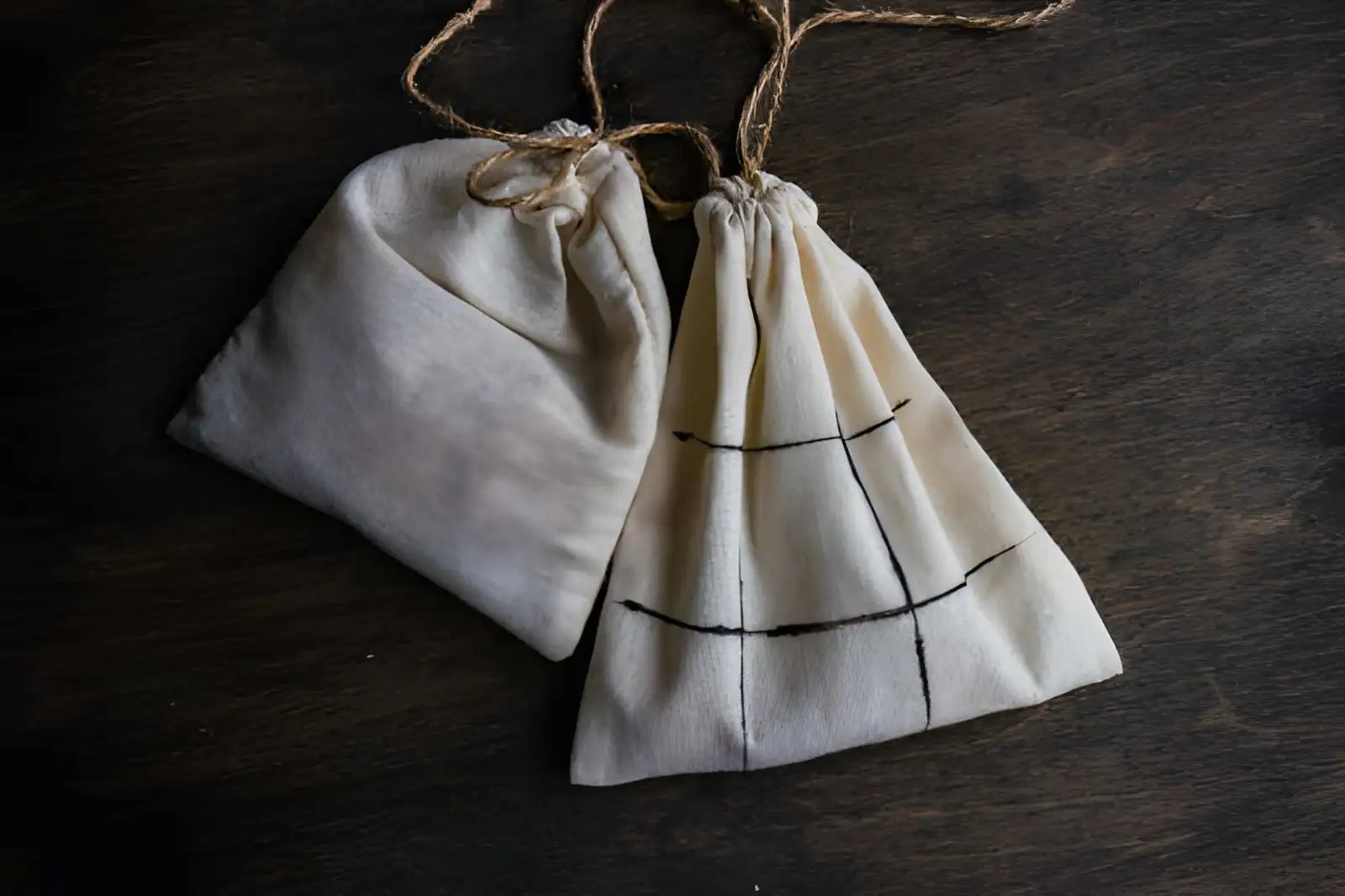
4. Mystery Bag
Mystery Bag is one of the most popular, engaging, and curiosity-sparking games for teaching English in the classroom. This game is based on the Montessori Teaching Method and the concept of Total Physical Response (TPR) , in which children use their Sense of Touch to try to identify an object. The main goal of the game is to improve children's English listening skills, Speaking Skills, and use of Adjectives.
Materials for the Game
An opaque bag/box: A cloth bag or cardboard box with a round hole on the side, big enough for a hand to go in, and through which nothing inside can be seen from the outside.
Some familiar objects: Classroom items such as an eraser, a sharpener, chalk, a glue stick, or familiar household items such as a key, a spoon, a toy car, fruits, or plastic animals.
How to Play the Game in the Classroom
Before the students see, the teacher hides 3 to 5 small objects inside the bag. The teacher calls one student to the front of the class. They must put their hand into the bag but cannot look inside. Then the student grabs one object inside the bag with their hand. Before taking it out, they feel it with their hand and describe the object to the rest of the class in English. For example:
"It feels rough/soft."
"It is round/long."
"It is small/hard."
After hearing the description, the rest of the students, or the student themselves, will try to guess the English name of the object, for example: "Is it an orange?" or "It is a ball." Then the object is taken out of the bag and shown to everyone to see whether the answer was correct.
How to Build Vocabulary Through Mystery Bag
By customizing this game according to different ages and topics, you can quickly increase children's English vocabulary:
To teach Adjectives or descriptive words:
This is the best way to practice words that describe an object's texture and size. Teach the children how to say:
smooth, bumpy, sticky, heavy, light, sharp, and so on.
To teach Phonics or Beginning Sounds:
Put things in the bag that all start with the same letter. Suppose the bag has a Ball, a Book, and a Banana. The
children take out the items one by one, and the teacher asks, "What do they have in common?" The children will say,
"They all start with the 'B' sound!"
Through Riddles:
The teacher puts their own hand in the bag, holds an object, and gives the children a riddle in English. For example:
"It is long. We use it to write on the board. What is it?" The children listen and answer, "It's a piece of chalk!"
To teach basic grammar:
After the student puts their hand in the bag and identifies the object, the rest of the class asks them questions.
However, the answers can only be 'Yes' or 'No'. For example:
The others ask: "Is it made of plastic?"
The student says: "No, it isn't."
The others: "Can we eat it?"
The student: "Yes, we can."
Through this, children learn to form questions in English and to answer them.
Pro Tips for Teachers
To make the game even more engaging, you can play mysterious music in the background and address the children as Little Detectives. Also, occasionally putting something odd or funny in the bag, such as a wig or a fake spider, gives the children a great deal of fun and completely breaks the monotony of the classroom.
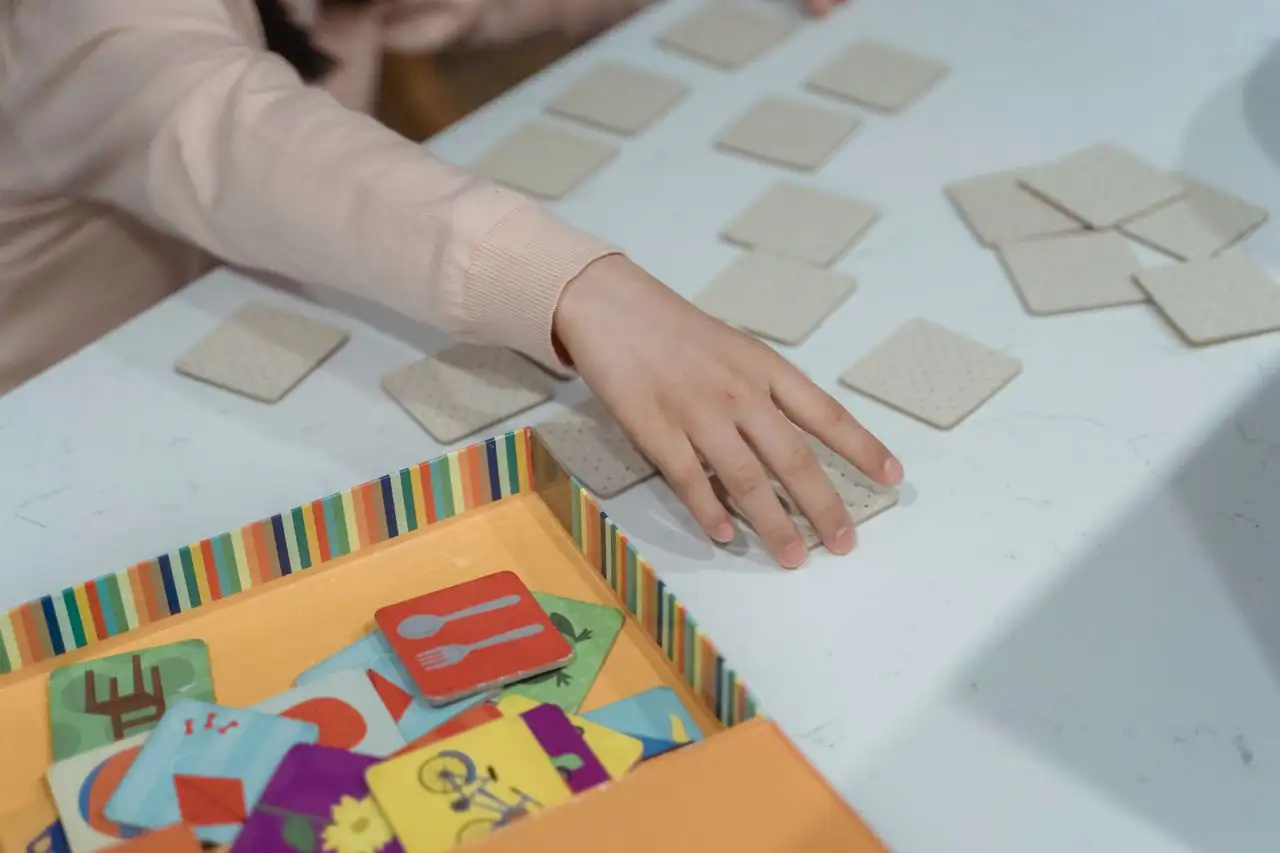
5. Memory Match
Memory Match is a very effective and popular game for improving children's memory, attention, and English vocabulary. It can be played anywhere, in the classroom or at home, with very few materials. Below are the details of this game and the rules for playing it in the classroom:
The Core Idea of the Game
In this game, you have to find pairs of cards or cards of the same kind. The cards are arranged face down on a table or the floor. The children turn over two cards at a time, and if the two cards match, they keep the pair for themselves. To teach English, you can use a picture and its English name on the cards, or synonyms/antonyms.
What You Need to Play
For this game, you will need some Cards. The cards can be made in two ways:
Picture and Picture: Two cards of the same picture (for example: two apple pictures, two cat pictures). This is good for very young children.
Picture and Word: One card has a picture and the other has the English name of that picture. For example: one card has a picture of an apple, and the other has 'Apple' written on it.
How to Play the Game in the Classroom
First, shuffle all the cards and arrange them face down on a table or board. Then a student comes to the front and flips over any two cards, showing them to everyone. If the two cards match (for example: the picture of an apple matched with the word 'Apple'), the student keeps both cards and gets 1 point. They also get one more chance to play.
If the two cards don't match, they must be placed face down again in their original spots. Then the next student gets a turn. When no cards are left on the table, the game ends. The person with the most cards is the winner.
Pro Tips for Teachers
Whenever the children flip a card, as the teacher you should ask them to say the word on the card aloud. For example: if the child flips the picture of a 'Dog', they must say "Dog!" This will help them overcome hesitation in pronunciation.
Benefits of This Game in the Classroom
Because they play by matching pictures and words, children can memorize the meanings of words very quickly. With slightly older children, you can teach spelling by putting a picture of an apple on one card and 'A-P-P-L-E' on another instead of the picture. Also, while other students are flipping cards, the rest have to watch carefully to see which card is where. As a result, everyone in the class stays calm and attentive.
Conclusion:
When the learning process in the classroom becomes enjoyable, children's interest in learning English and their speed of learning both multiply. The games mentioned above will not only increase children's vocabulary, but also make your classroom more lively and vibrant. However, to apply these techniques correctly as a teacher and master modern interactive teaching methodology, you need proper teaching skills and guidance.
If you want to build yourself into an ideal English teacher, or learn international techniques for teaching English in classrooms around the world, getting proper training is extremely important. UNI-PREP's professional TEFL/TESOL courses will teach you the precise techniques of modern classroom management, play-based learning, and effective lesson planning. To become an internationally certified teacher and take your teaching career a step further, enroll in the course of your choice today !