 by UNI-Prep Institute · Updated August. 30, 2026
If you think about working online, many people assume that without a big degree or experience, it is not even possible to start. But when it comes to teaching English, the picture is quite different now. If you can speak English fluently and feel comfortable communicating with others, there is an opportunity to work even without any formal experience or degree.
The demand for learning English is growing so much worldwide that many platforms have now opened their doors to beginner tutors. Let's look at 10 such platforms where you can start your journey without any prior experience or degree.

1. Preply: The World's Largest Language Tutoring Marketplace
Founded in 2012, Preply is today the largest marketplace for learning languages. It mainly connects professional and native English teachers with students worldwide through one on one (1:1) video classes. The platform has more than 100,000 tutors teaching over 90 languages, with students in 180 countries. In January 2026, after a $150 million Series D round led by WestCap, the company's valuation reached $1.2 billion.
There is no fixed curriculum here. You create your own profile, video intro, and lesson plan; students choose you by looking at your profile. In other words, this is not a job, it is a small business.
Here is a detailed look at how Preply works as a career in online teaching:
Pros for a teacher
Teachers can set their own schedule (using tools or a calendar) at their convenient time. It is possible to work from any country while sitting at home. Here, the hourly rate or fee is decided by the teacher. As experience grows, this fee can be increased too. For English teachers, Preply provides its own curriculum, lesson plans, placement tests, and homework materials, which makes preparing for class easier.
Because of the platform's own marketing system, teachers don't have to worry about finding students on their own. For skill development, Preply offers free webinars, courses, and an "Online Language Teaching Certificate."
Cons for a teacher
The biggest downside of Preply is that teachers don't get paid for the first 1 hour trial class with new students. Preply takes the entire amount as commission. Once a student starts regular classes, income only comes from the following classes. The platform cuts up to 33% commission from new teachers' earnings at the start. However, after teaching more hours (such as 400+ hours), this commission drops to 18%.
Since there are thousands of teachers worldwide, ranking your profile and getting students as a newcomer can be quite difficult. Since this is a marketplace, there is no fixed monthly salary here. Income depends entirely on the number of classes you get booked.
Who is this good for?
Preply is best suited for these 3 categories of teachers:
New and freelance teachers: those who don't have a formal degree or certificate but have excellent English communication skills can start their career here.
Part-time teachers: university students or people with other jobs who want to earn 2-3 extra hours of income a day alongside studies or their main job.
Those skilled in conversational and business English: many foreign students come here just to learn general spoken English or business English for job interviews. Student demand is highest in these categories.
If you can adjust to not getting paid for the first class and the high commission, Preply can be a great way to start an online teaching career.

2. italki: The Most Practical Door for Non-Native Speakers
italki is one of the world's best and most popular global marketplaces for online one on one (1-on-1) language learning. Started in 2006 as a language exchange community, italki now teaches more than 150 languages with over 1 crore (10 million) students and 30,000+ teachers, in 190 countries. There is no fixed syllabus or institutional rule here; instead, teachers can communicate directly with students and take classes in their own way.
Here is a detailed look at the pros, cons, and who benefits most from teaching English on the italki platform:
1. Pros for a teacher
Teachers can fully decide for themselves how many dollars to charge per hour of class. There is no fixed working time here. Teachers can set a calendar schedule (full time or part time) at their own convenient time and take classes. There is an opportunity to reach millions of students worldwide, making it possible to teach English to international students while sitting at home.
There are two ways to join as a teacher here: Professional Teacher (those who have an educational certificate or TEFL/TESOL degree) and Community Tutor (those who mainly teach language through conversation or conversational practice). italki itself handles the entire process of collecting payment from students, so there's no risk of not getting paid after a class.
2. Cons for a teacher
italki takes a 15% commission from every successful class booking, which can feel a bit high to some. Especially for English, the platform has thousands of teachers worldwide, so it can be quite difficult and competitive to get students as a newcomer.
italki does not guarantee any fixed number of students or income. Everything depends on the teacher's profile, introduction video, and ratings. When the number of English teachers grows too large, italki often temporarily closes new applications from English teachers.
3. Who is this good for?
Those who want to freelance or teach independently: people who love running their own profession independently, without being under any institutional rule or boss.
New or uncertified teachers (Community Tutors): those who don't have a formal teaching degree but are excellent at English (such as native or fluent speakers) and simply want to help others learn English through conversation.
Certified professionals (Professional Teachers): those who have TEFL, CELTA, or a formal degree in teaching English can set premium rates here to work toward higher income.
People wanting part-time or pocket money income: university students or other professionals who want to spend 1-2 extra hours a day to earn some extra dollars.
Read more:
How to Start Teaching English Online from Home Complete ESL Teaching Guide for Beginners How to Teach English Abroad Without a Degree

3. Engoo (DMM): Asia's Largest Online English School
Engoo is basically a global one on one (1:1) online English teaching platform, where teachers from various parts of the world teach students from Japan, South Korea, Taiwan, and Brazil. Launched in 2013 under Japan's large digital company DMM, Engoo has 11,000+ tutors conducting more than 1.2 million classes per month. A large portion of students are from Japan, South Korea, and Taiwan, but there are also many from Turkey and Brazil.
The entry requirements here are probably the easiest in the whole list: no degree or experience is required. If you are 18+, have a computer, webcam, headset, and pass an internet speed test, you can join as a teacher here. Classes are 25 minutes, and Engoo itself provides all lesson materials, so there is almost no preparation burden.
Here is a detailed look, from a teacher's perspective, at what kind of platform Engoo is for an online English teaching (ESL) career:
Pros for a teacher
There is no fixed time or minimum hour requirement here. Teachers can open a slot and take classes at their own convenient time, any time within 24 hours. Engoo's own platform has thousands of ready-made lesson materials and curriculum. The teacher doesn't need to prepare any notes or syllabus themselves, just show up for class and teach by looking at the dashboard.
Unlike many other platforms, although there is no strict requirement for a formal degree to join here, having a TEFL/TESOL degree will put you ahead of competitors. You can start work here with just excellent English skills and some basic technical tests.
Most students here are adults from Japan and other Asian countries. They are generally very polite and respectful toward teachers. No third party software like Zoom or Skype is needed to take classes; everything is done on their own 'Bellbird' platform.
Cons for a teacher
Relatively low pay is the biggest downside of this platform. There is a large difference in pay between native and non-native speakers. Non-native teachers are usually given around $1.55 for a 25 minute class, which is lower than other platforms.
A teacher's future bookings depend on the ratings given by students. If a student gives a low rating by mistake or unfairly, the teacher's profile ranking drops, and it becomes harder to get new bookings afterward. Even after working here for a long time, there is no opportunity for a raise or promotion. If bookings decrease for any reason, or students cancel classes, regular income can be disrupted, so relying on this as a full time income source is risky.
Who is this good for?
For beginners: those who are completely new to the online English teaching (ESL) world and want to gain experience, this is an excellent starting platform.
Students and part time job seekers: university students or homemakers who want to earn some extra money alongside studies and household responsibilities will find this very useful.
Those who want to work with less effort: those who don't want the extra mental load of creating lesson plans or arranging class materials will find this comfortable.
Digital nomads or travelers: those who want to cover their pocket expenses through light work with just a laptop and internet while traveling.
In short, if you're thinking of a full time career or earning a lot of money, Engoo might not be suitable for you. But for flexibility, an easy working environment, and gaining initial experience, it is a fairly good and reliable platform.
4. Cambly: On Demand Conversation, Paid Per Minute
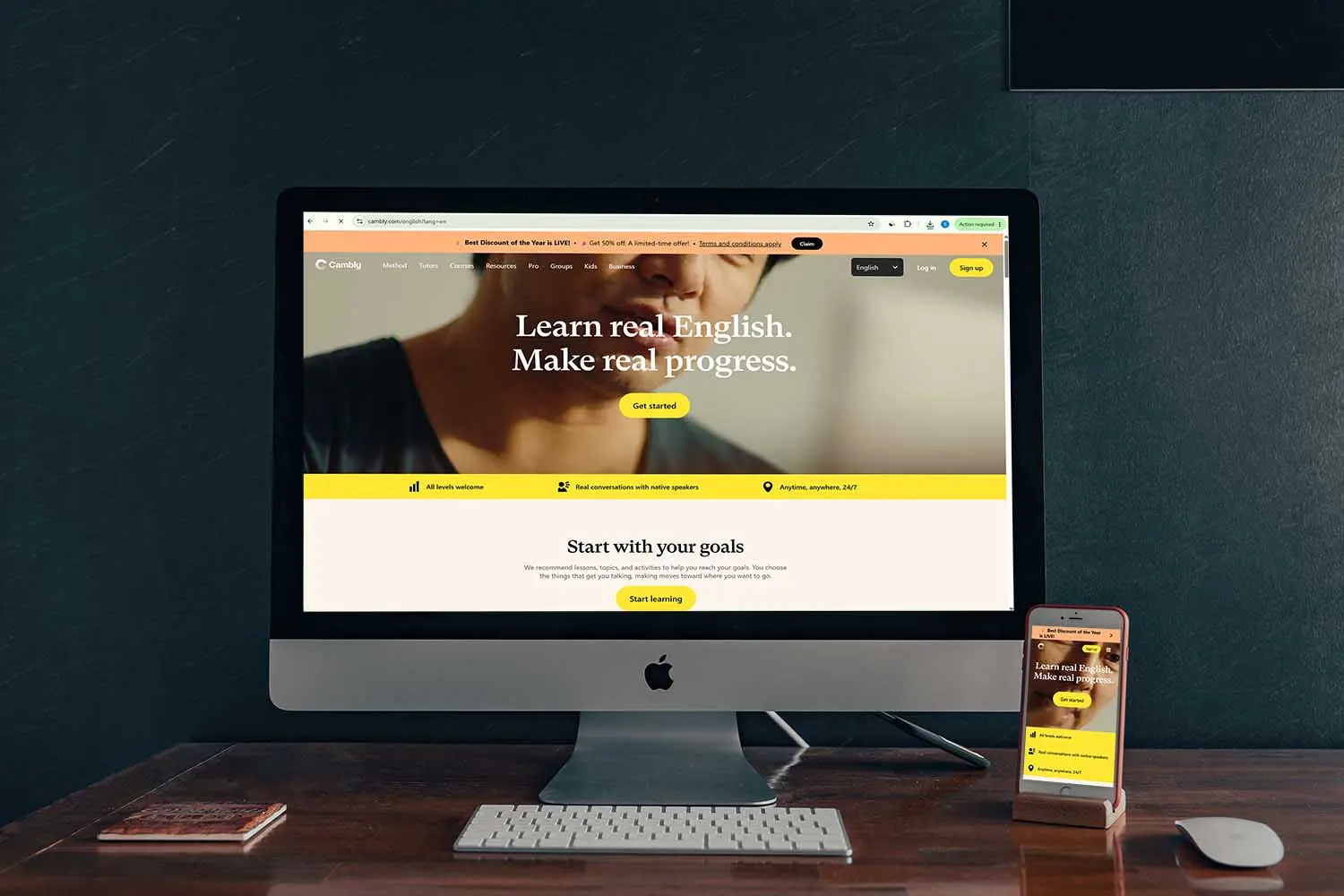
Cambly is basically an international, conversation based online English learning platform that connects students worldwide directly with English speaking tutors through video calls. Launched in 2012, Cambly's model is completely different. When a student opens the app and taps "Practice," they get connected with a tutor within 30 seconds. There's no booking, no lesson plan. This is not a traditional grammar or institutional syllabus based school, but rather a popular medium for overcoming the hesitation of speaking English through real life conversation.
Here is a detailed look, from a teacher's perspective, at the main pros, cons, and who benefits most from this platform:
Pros for a teacher
There is no fixed or mandatory work schedule. Teachers can log in and take classes at their own convenient time, any time within 24 hours. Since most classes are like casual chats, there's no need to prepare a lesson plan or curriculum in advance. In some cases, Cambly itself provides slides or topics.
There is no requirement for a formal teaching degree or certificate to apply, though having a certificate will put you a step ahead of competitors. You can apply as long as you speak fluent English and have an internet connection. It ensures regular weekly payment through PayPal or other designated methods. You get to know about the cultures of students from different countries around the world while sitting at home.
Cons for a teacher
Compared to other professional online teaching platforms, Cambly's pay rate is quite low. Typically, general classes pay around $10.20 per hour, and Cambly Kids pays around $12.00 per hour. Teachers don't get paid for the entire time they're online on the platform, but only for the exact minutes they spend on a video call with a student.
A teacher's profile visibility and chances of getting new calls largely depend on the ratings given by students. There are often complaints of ratings dropping for no reason. Many students are complete beginners in English or speak very little (for example, answering only with "yes" or "no"). Carrying on a long conversation with them can be quite tiring.
Who is this good for?
Cambly isn't mainly a main source for building a career for everyone, but it is an excellent medium for certain groups:
New tutors: those who are completely new to online teaching and want to gain experience teaching international students.
Those looking for an extra income source: those who have a main job or studies and want to earn part time or pocket money at home in their free time.
Travelers or digital nomads: those who travel regularly and want work that can be done from anywhere in the world with just a laptop and internet.
Those who love to chat: those with a great interest in talking to people and learning about new cultures.
(Note: Cambly generally gives priority as teachers to those who are 'native' or whose pronunciation and speaking style are completely fluent like native speakers.)
5. PalFish: Classes Just With a Mobile
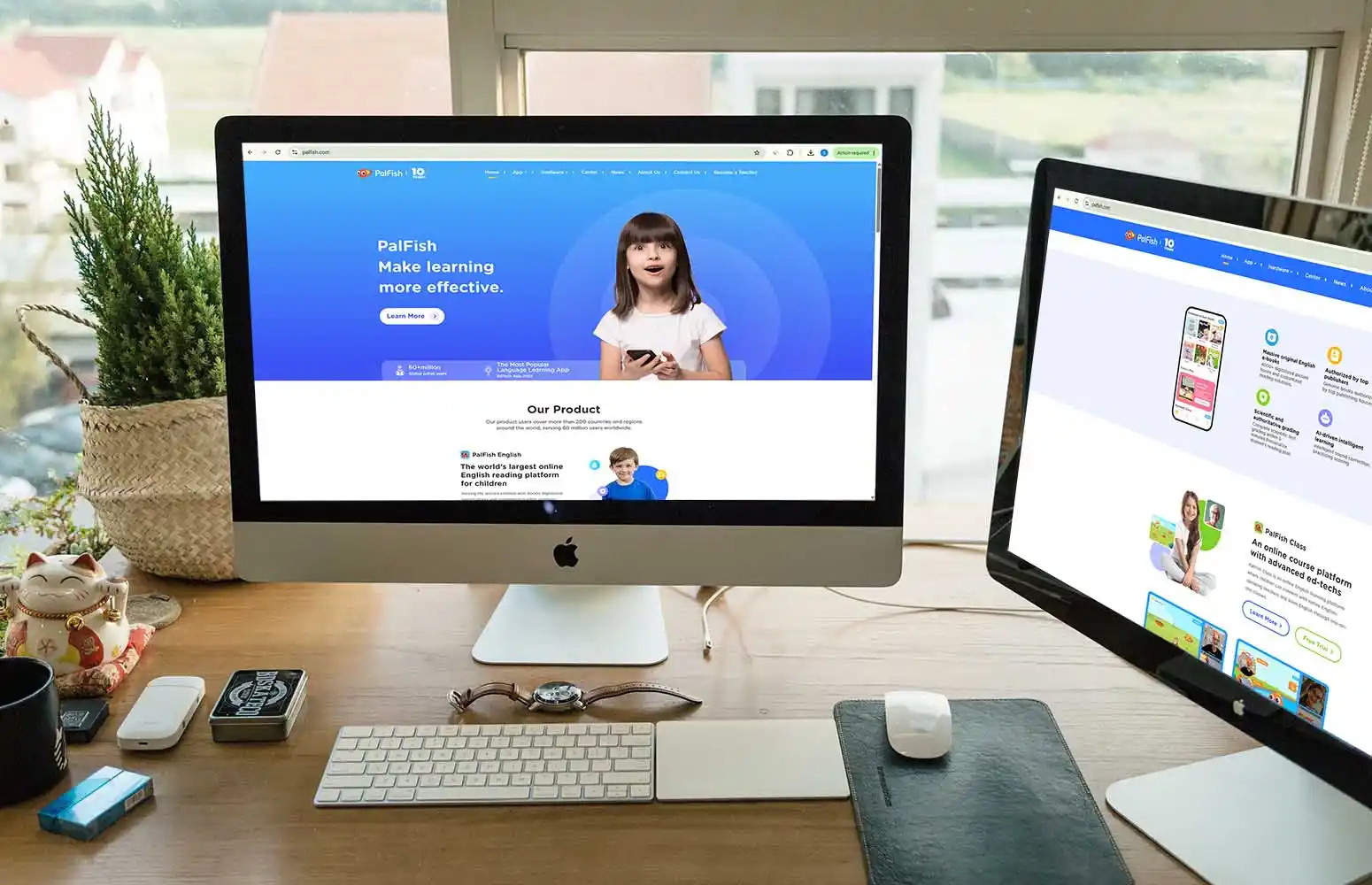
PalFish is an extremely popular, app based online English teaching platform that mainly gives students in China and worldwide the opportunity to learn English. Many call PalFish the "eBay of English classes." It's an excellent remote or work from home part time income source that can be fully managed through a mobile phone or tablet.
Here is a detailed analysis of the pros, cons, and who this is suitable for, for a teacher:
The two main tracks of teaching on PalFish
-
Official Kids Course (OKC): a structured 25 minute course for children aged 3 to 12. Here, PalFish provides its own curriculum and slides.
-
PalFish Freetalk: this is basically natural conversation or casual conversation with students of any age. Here, the teacher decides their own fee and schedule.
Pros for a teacher
No laptop or computer is needed. Classes can be taken from anywhere with just a good smartphone or tablet and an internet connection. Unlike many other international ESL platforms, there is no strict requirement for a bachelor's degree here.
There's no need to create lesson plans for teaching kids' courses or OKC; PalFish itself provides interactive materials and games. Teachers can set their schedule as they prefer. There's no pressure to follow any fixed or strict time limit. With good experience and ratings, it's possible to earn $10 to $22 per hour.
Cons for a teacher
You must have a minimum 120 hour TEFL/TESOL certificate to apply. Having a clear, neutral accent, or one similar to native speakers, is important to attract students and especially to get a chance in the OKC course. For freelancing or free talk, teachers need to promote themselves by posting 'Moments' or live streaming, similar to Facebook, which is quite time consuming.
Compared to native speakers, the base rate or hourly pay for non-native speakers is much lower. Also, many teacher reviews mention that the company's pay structure has decreased somewhat in recent times. If you're late to class or cancel a class at the last minute, PalFish imposes strict fines or deducts from your rating.
Who is this good for?
Those who want part time or pocket money: this is great as a side hustle or extra income rather than a full time career.
Travelers or digital nomads: this is suitable for those who travel a lot and want to work from anywhere, due to the convenience of working from mobile.
For those new to teaching: those who don't have a formal teaching degree but are skilled in English and have a teaching certificate (TEFL), this is a good platform to start an online teaching career.
Patient and lively personalities: for teaching children (OKC), you need to be very cheerful, energetic, and have the mindset to take classes using various gestures.

6. SkimaTalk: Business English for Japanese Professionals
SkimaTalk is a free and open marketplace based, reliable platform for teaching English online, which mainly connects teachers and students directly. A large portion of SkimaTalk's students are working Japanese professionals who want to improve their English for office work. Classes are 25 minutes, and students often book two consecutive classes. Here, teachers conduct one on one (1:1) classes through 25 minute sessions each. It doesn't follow any fixed institutional curriculum, rather teachers can independently set their own rules and pay here.
Here is a detailed look at the main pros, cons, and who this is best for, for a teacher on the SkimaTalk platform:
Pros for a teacher
There is no fixed or set salary here. Teachers can decide their own pay rate for each session according to their experience and qualifications. There is no minimum or maximum working hour requirement. Teachers can set their convenient schedule and take classes any time, 24/7. The vast majority of students on this platform are adult working professionals from Japan and South Korea. They are generally very polite, courteous, and very sincere about learning.
There is no formal interview required to join as a teacher. Work can start just by creating a profile, an introductory video, and passing a few small guideline tests. Some basic lesson plans or materials are provided within the platform for teaching. Teachers can use them if they want or teach with their own created content.
Cons for a teacher
SkimaTalk takes a large portion of a teacher's earned money, that is, a 20% commission. The remaining 80% is paid monthly via PayPal. If a class is cancelled for any reason or a teacher can't attend, the platform imposes quite strict fines or penalties on teachers.
Since this is a marketplace, there's no guarantee of getting a lot of classes as soon as you open a profile. For new teachers, it takes quite some time to earn ratings and good reviews to build regular students or clients. Since there's no consistency in income, it's difficult to choose this as a full time profession. There are also no institutional benefits here (such as bonuses or health insurance).
Who is this good for?
For native speakers: SkimaTalk's biggest requirement is that the applicant must be a native English speaker and have a corresponding accent.
For uncertified newcomers: those who don't have a formal degree but have excellent skill in the English language will find a great opportunity here, because these things aren't mandatory here. However, having a certificate will put you a step ahead of competitors.
For side hustle or part time work: for those who want to earn some extra income in their free time alongside their main job or studies, this platform is ideal.
For those interested in teaching adults: for those who are more comfortable teaching casual conversation, interview preparation, or business English to adult professionals rather than handling small children, this is best.

7. Twenix: 26 Minute Business English Classes
Twenix is a Spain based online English teaching platform, which mainly works on improving business English and conversational fluency for adult working professionals in Spain and Italy. Founded in Spain in 2017, this platform gives short 26 minute classes to corporate professionals in Spain and Italy. Their tutors are called "Tweachers." It's known as an excellent and stress free platform for teachers, because there's no class preparation or lesson plan to make here.
Pros
Every class's reading material is already provided on the platform in advance. Teachers don't need to create any materials themselves. Unlike other platforms, there's no need to promote or market yourself here. If you open available slots, the algorithm will automatically assign you students.
Each class is only 26 minutes long, so even taking back to back classes causes less fatigue. There's no fixed minimum working hours. In any urgent need, a class can be transferred to another teacher without any fine. There's no requirement for a university degree or certificate to apply. You can apply with just good English skills.
Cons
Teachers must always maintain a minimum average rating of 4.7 out of 5. Falling below this carries a risk of being removed from the platform. Compared to some other global platforms, its hourly pay is somewhat lower, and this can also depend on your geographic location.
During the European holiday season (especially in August and January), the number of students drops significantly, making it hard to get bookings. Students get a different teacher for each class, so it isn't possible to build a long term bond with the same student.
Who is this good for?
Part timers or side hustlers: those who want to do something at flexible hours for extra income alongside their main job.
New or inexperienced teachers: those who don't have any formal teaching certificate or prior experience.
Those who prefer teaching adults: those who don't like teaching with the noise and cartoons of kids, but rather want to discuss various professional topics (such as finance, marketing, or technology) with adults.
Those seeking hassle free work: those who want to avoid extra administrative work like checking homework, grading, or making lesson plans, beyond just taking classes.

8. AmazingTalker: Asia Based Premium Marketplace
AmazingTalker is a global online language marketplace, an extremely popular and effective freelance based platform for teaching English through 1-on-1 live classes. Taiwan based AmazingTalker connects about 9,000 teachers and more than 2 million students across 140+ languages and subjects. Their algorithm matches a student's goals with a teacher's profile, so even newcomers get visibility. Here, teachers can work completely independently by setting their own curriculum, schedule, and fee.
Here is a detailed look at the pros, cons, and who this platform is best suited for, for a teacher:
Pros for a teacher
You can set your own hourly tuition fee based on your experience. There's no minimum working hour requirement. You can keep your calendar open and take classes at your convenient time. The platform's own AI algorithm recommends teacher profiles matching student demand, which helps in getting new students.
You can join here without being a native speaker if you have good English skill and a TESOL & TEFL certificate. New teachers can join groups or teams of experienced teachers to get guidelines and training for succeeding on the platform.
Cons for a teacher
As a newcomer, the platform fee or commission is around 30% to 38%, which is quite steep. However, as monthly income increases, this commission keeps decreasing. Since there are thousands of teachers worldwide, it's quite difficult to get trial class bookings and build regular students at the start.
To attract students, 15-20 minute trial classes often need to be offered at a very low price (even for $1). The platform doesn't provide any course materials. The teacher has to create separate lesson plans and slides for each student themselves.
Who is this good for?
Independent minded freelancers: those who want to build their own 'online teaching business' or brand rather than working a fixed salary or fixed shift under an institution.
Specific niche experts: if you're skilled in something specific beyond general English, such as IELTS Preparation, Business English, or Academic Writing, it's possible to get good quality paid students quickly on this platform.
Patient and hardworking new teachers: those who can accept the challenge of low income at the start and stay regularly active through chat or video to build up their profile and attract students.
Part time earners: those who want to earn extra money by teaching English 2-3 hours a day as a side income alongside their main profession or studies.
If you love creating your own lesson plans and have the mindset to pay a steep commission at the start, AmazingTalker can be an excellent international medium to start a career as an English teacher.
9. Superprof: A Classified Platform for Tuition Ads
Superprof is an extremely popular, flexible, and global open marketplace platform for teaching English. Founded in France in 2013, Superprof isn't actually a school but rather a huge advertisement board. Tutors advertise their profile and rates for 1,000+ subjects here, and students contact them directly. The platform's tutors are spread across 44 countries, and the number of users is tens of millions. Unlike other common English teaching platforms, there's no fixed curriculum or strict rules here.
Here is a detailed look at the pros, cons, and who this platform is best suited for, for a teacher:
Pros for a teacher
Teachers can set their own hourly class fee according to their qualifications. When and how long to take classes depends entirely on the teacher's wishes. It's possible to start teaching English here even without any experience or certificate.
Teachers can teach either online (Zoom, Google Meet) or directly in person (face to face) if they want. In most cases, Superprof doesn't take any commission on teachers' income (students pay the platform's subscription fee).
Cons for a teacher
Since the platform has millions of teachers, it can be quite difficult for newcomers to get students at first. According to platform rules, teachers are encouraged to give the first 1 hour trial class for free. There's no fixed monthly salary here; if you don't get students, there's no income. Without good reviews and ratings on your profile, you can't come up in search results.
Who is this good for?
University students and freelancers: those looking for a good side gig for part time or pocket money income alongside studies.
New teachers (beginners): those who don't have prior experience or a big degree but have excellent English skills and want to start teaching.
Digital nomads and independent minded people: those who prefer to work independently at their convenient time rather than being tied under any specific company.

10. Udemy: Not Live Classes, Recorded Courses
In all nine platforms above, your income is tied to time, meaning you get paid if you take classes, and don't if you don't. Udemy changes that entire equation. Here, you can make a course once and sell it for years.
As of 2026, Udemy has more than 80 million students, 90,000 instructors, and more than 290,000 courses. In May 2026, it merged with Coursera and is now operated under Coursera.
Here is a detailed discussion of Udemy's pros, cons, and who this platform is best for, for an English teacher:
Pros for a teacher
There's no need for a tough interview or teaching certificate to start a career as a teacher on Udemy. Anyone who can produce good quality audio and video can upload a course. Udemy has millions of active students. If your course is good, you can teach English to students from anywhere in the world.
You don't have to take live classes. Once you put in the effort to upload a complete video course and quizzes, it keeps selling for years and you keep earning in the background. Udemy advertises courses on various social media and search engines at its own expense. As a result, new teachers can get students without marketing themselves. Through Udemy's Marketplace Insights tool, you can easily track which kind of English course has high demand but low competition.
Cons for a teacher
When a student enrolls in your course through Udemy's own marketing or promotion, Udemy takes a large portion of the earnings (around 63%). Also, Udemy often gives up to 90% massive discounts on courses, selling them for $10 to $20, which reduces the teacher's profit per sale. On top of that, there are already thousands of courses for teaching English on Udemy. As a new teacher, starting completely from scratch and getting ratings and reviews to reach the top list is quite difficult.
Udemy has a 30 day money back guarantee policy. If students don't like the course, they can get a refund, which often negatively affects the teacher's income. This is a completely pre-recorded video based platform. So there's no opportunity here for direct or live class practice with students (such as speaking practice).
Who is this good for?
Udemy is mainly most effective for certain categories of teachers:
Those who want passive income: those who want to earn long term income by creating one quality course, rather than spending time on live classes every day.
Tech savvy and confident teachers: this is ideal for teachers who can do video editing, use a good quality microphone and camera, and create excellent presentation slides.
Niche specific English teachers: those who can focus on a specific subject rather than teaching general "Spoken English." For example: English for Job Interviews, Medical English, or IELTS Writing Crack. This kind of course has less competition and higher demand.
Those who have their own audience or followers: if you already have a student base on YouTube, Facebook, or LinkedIn, then Udemy is gold for you. Because if someone buys a course using your own referral link (Instructor Coupon), you get 97% of the income.

6 Practical Tips Before You Start
It's possible to start teaching English online without any prior experience. But to succeed from the start and attract students, it's important to know some strategies. Below are 6 practical tips to make your journey easier before you get started:
1. Choose the right platform
On platforms like Cambly or Engoo, you don't need to create a Lesson Plan like a traditional class. You can earn just by having natural conversation or chatting with students, which will be the easiest for you as a newcomer.
On platforms like Preply or italki, you can create your own profile and set your own fee. However, it's wise to keep the fee somewhat low at first to get students. In the first 3 months, prioritize reviews over income. Start at a lower rate and build up 50-100 hours and good ratings; after that, increasing your rate becomes easier.
2. Create an attractive profile video
On online platforms, students usually choose a teacher by watching a 1-2 minute introduction video. So keep your video background clean. Ensure sufficient lighting and clear sound so your pronunciation is clearly understandable. Also speak with a smile in the video and briefly explain how you will help improve their English.
3. Give students the chance to speak
As a teacher, it's more important for the student to speak than for you to talk endlessly. Ask students questions that can't be answered with just "yes" or "no." Give them the opportunity to express their thoughts. If a student gets stuck or makes a mistake while speaking, don't cut them off midway. Listen patiently until they finish speaking.
4. Keep a list of open ended questions ready
Often new students can't speak on their own due to hesitation. To keep the conversation going, decide on some topics or questions in advance. You can ask about hobbies, favorite food, travel, movies, or their culture. These are easy topics for everyone to talk about.
5. Keep a positive and supportive attitude
Making mistakes is part of learning English. If a student makes a mistake, encourage them instead of scolding or laughing at them. Point out the student's mistakes politely. You can write the correct pronunciation or sentence in the chat box so they can review it later.
6. Use good quality gadgets and internet
Use a good quality headset with noise cancellation features, rather than a laptop's or mobile's built in microphone. Students get annoyed if the connection drops or there's buffering in the middle of an online class. So keep a good broadband connection and mobile data as backup.
Conclusion
The biggest barrier to teaching English online isn't experience, it's not starting at all. Choose a platform today (italki or Engoo are the easiest entry points for non-native speakers), record an honest and warm intro video, and complete your first 10 classes. After that, reviews and consistency will build the path forward.
However, never rely on just one platform going forward; instead, stay active on multiple platforms at once. Because this market changes fast, hiring stops, and policies change. Depending entirely on one platform for your income is risky. Also, get the 120 hour TEFL certificate. Even though it's not mandatory, it's the industry standard, and it's the easiest way to increase your rate.