 by UNI-Prep Institute · Updated June. 7, 2026
The key to properly managing a class is clear instructions, an engaging lesson plan, and positive behavior. Through beautiful and effective class management, students' interest in learning increases and they can understand lessons easily. Before starting a lesson, it is very important to give a clear idea about the topic, ensure student participation, and create a friendly environment. Besides this, maintaining discipline, giving students the opportunity to ask questions, and having a brief review at the end of the lesson are important parts of successful class management. Usually students lose concentration during class. Therefore, teachers must follow some methods to make the class attractive. Today we will discuss 10 effective methods that, if followed, will increase your classroom management skills 10x.
1. Establish routines and set clear rules from day one
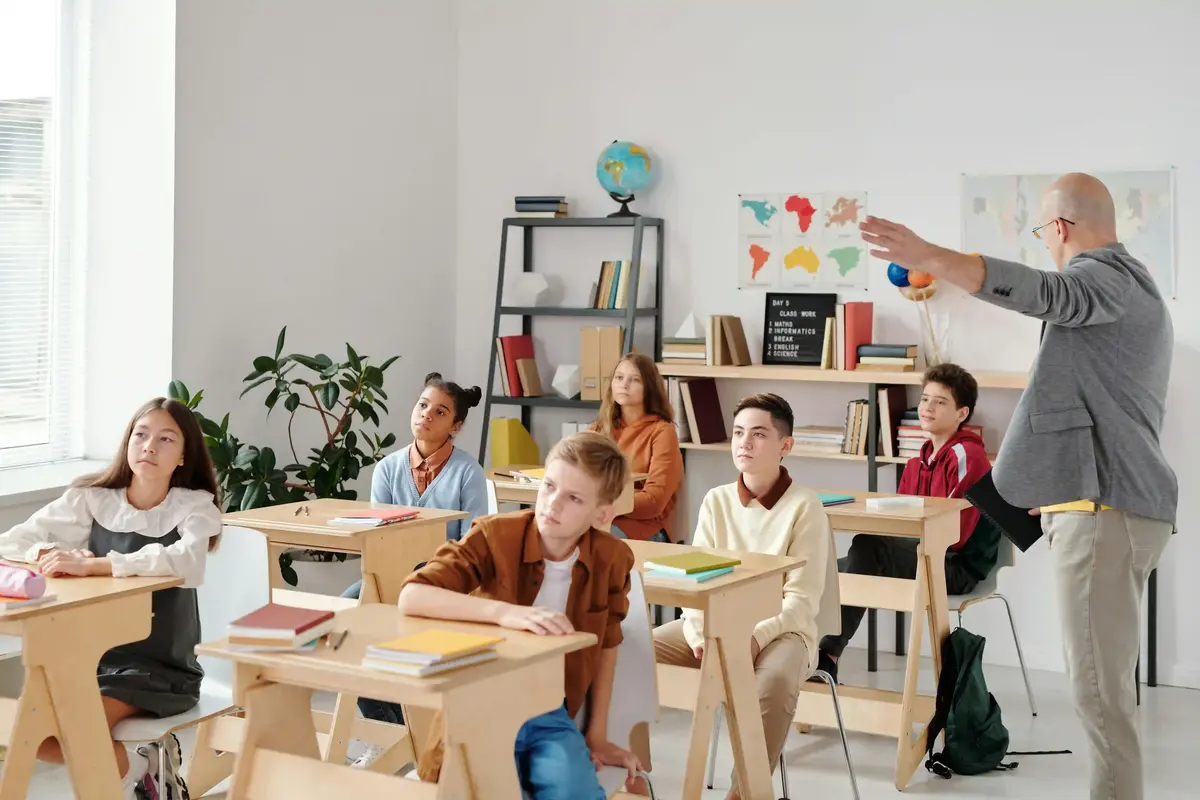
The first step to effective classroom management is establishing a routine. This includes setting clear classroom rules and introducing a warm-up routine. First, create a list of classroom rules. The rules should be simple, understandable, and consistently applicable. They help create a safe and respectful learning environment. Then add a warm-up routine to the class schedule. This can be a quick English language activity or a simple game that gets students focused and ready to learn. The familiarity of a routine helps students feel more comfortable in the classroom.
2. Structure your lessons and be prepared in advance
Well-organized lessons are the foundation of effective classroom management. When the teacher is prepared, students have fewer opportunities to cause disruption. Create a clear lesson plan that specifies what you will teach, how you will teach it, and what the target language is. Structure each class as follows:
Warm-up (5 minutes): Start with a few quick questions or ask a fun riddle.
Instruction (15–20 minutes): Input the new language.
Practice activity (20–25 minutes): Give interactive tasks.
Wrap-up (5–10 minutes): Review what was taught throughout the class and assign homework.
Attention drops quickly online, so 60-minute sessions are more effective than 2-hour ones. Have all necessary materials prepared in advance; searching for magnets or flashcards in the middle of class disrupts discipline.
3. Introduce a points and rewards system
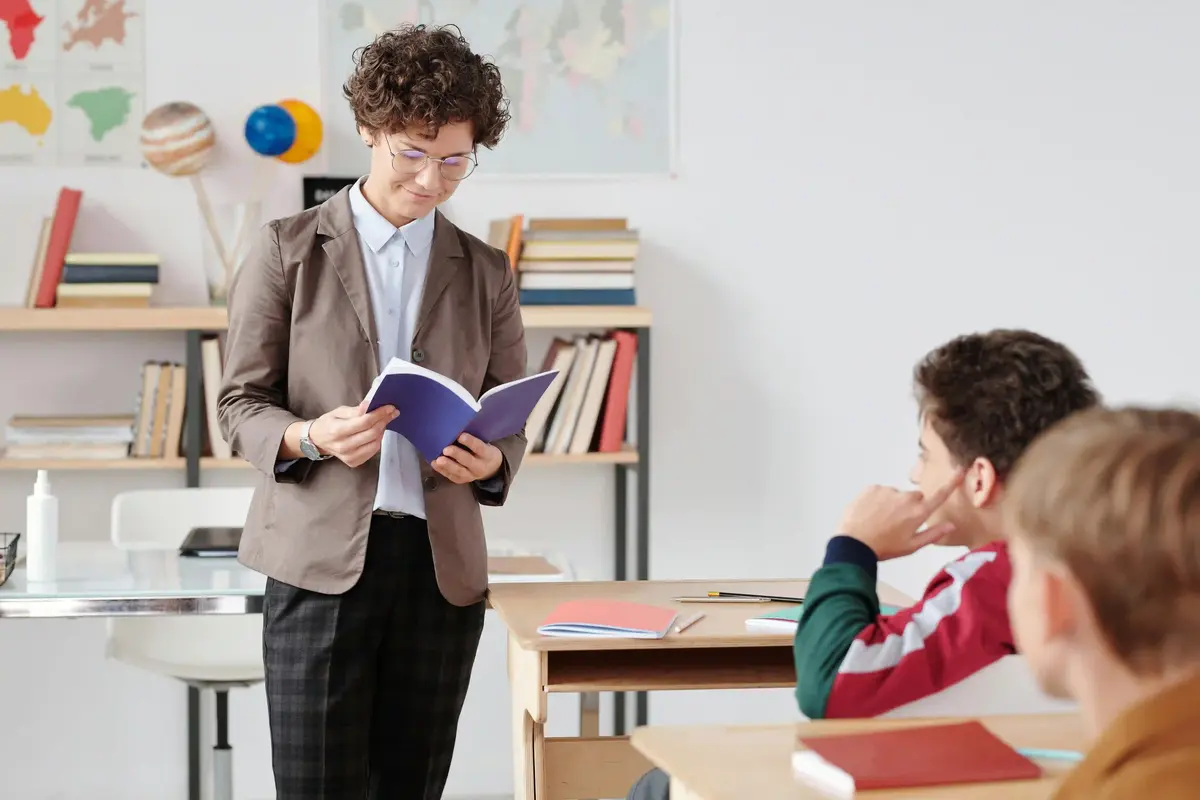
Another great strategy for ESL teachers is to introduce a points or rewards system. It is a fun and effective way to motivate students and reinforce positive behavior. You can award points for participation, completing assignments, or good behavior. Create a visual chart in the classroom to track student progress. When students reach certain point milestones, you can give small rewards, certificates, or special privileges. This encourages participation while also creating a sense of achievement among students.
For example, in my class I use a stars and points system. At the start of class, each team is given five points. Points are added for positive behavior and active participation, and deducted for negative behavior. The team with the most points at the end of class earns a star.
Read more:
How to Teach English Abroad Without a Degree
5 Highest-Paying Countries for TEFL Teachers in 2026
How to Use Students' Interests in TEFL Classes
4. Use chants and countdowns
Adding chants or countdowns to classroom management makes an ESL class more lively and engaging. A chant is a fun way through which students can become more attentive towards the class. For example, the teacher will say a specific rhyme or chant and the students will respond with a spmecific answer along with it. This not only makes the students enjoy but also brings their attention back towards the teacher. On the other hand, countdown, through which the teacher will count backwards from 5 to 1. Within this specific time, students will have to organize their work, stop all talking, and look at the teacher or sit properly.
5. Use the power of non-verbal communication
20% of communication is verbal and 80% is non-verbal. This includes your body language, eyes, facial expressions, and presence. Non-verbal cues are powerful tools for ESL teachers. They help you communicate with students without breaking the flow of the lesson. Use simple gestures, facial expressions, or hand signals to correct behavior or emphasize important points. Move around the classroom, don't stand in one place.
When students start getting noisy, stop teaching, fold your arms across your chest, look at the students, and wait until everyone is quiet.
Finally, master "The Look"; every effective teacher should have one. This facial expression non-verbally lets a student know that you see them. When done correctly, this gaze quietly sends a serious warning and is a great technique for handling a student without calling them out in front of the whole class. Practice "The Look" in front of a mirror. Remember, it is not an angry or stern look - it should be an expression of presence and calm.

6. Practice differentiated instruction
ESL students have different needs and skill levels. Some students misbehave because the class is either too easy or too hard for them. To manage the classroom effectively, practice differentiated instruction. This means customizing lessons according to different learning styles and skill levels within the same class. Provide enrichment activities for advanced students and additional support for those who need it.
7. Use interactive tools and technology wisely
Technology can be a valuable asset in the ESL classroom. Use it wisely to engage students and support classroom management. Interactive whiteboards, educational apps, and online resources can make lessons more interactive and enjoyable. When used correctly, it produces remarkable results in class. For new teachers, it also helps with time management; just follow the slides; it is your map.
8. Encourage pair and group work
Encourage pair and group work. It allows students to communicate with each other, learn from one another, and practice English in a less intimidating environment. When students help each other, disruption decreases and a collaborative environment is created. Regularly change group members to encourage interaction among all students.
Read more:
Best Government Programs for TEFL in Spain
Top 10 Countries to Teaching English as a Foreign Language
What Do You Need to Teach English in Japan?
9. Arrange seating and the classroom environment
You need a seating plan and the seating arrangement must be done in such a way that every student has equal access to the teacher's focal point. Assign seats to students and change the seating arrangement whenever you want to change the classroom dynamic.
Arrive to class early. Keep all materials in their designated places. For online teachers: use Google Classroom or Moodle, Notion or Trello, and Calendly. These help you stay organized and reduce stress during class time.
10. Continuously improve your own skills
To effectively teach English to students, to maintain their interest, and to teach them the correct application of the language in real life, it is essential to acquire skills in teaching English. Simply knowing English yourself and teaching it to others are not the same; quality education is not possible without the right methods, techniques, and psychological knowledge.
So before running a classroom, a teacher must prepare in advance. It is essential for a good teacher to have the study and knowledge on how to run a classroom properly. To acquire these skills better, you can do the TEFL and TESOL Certificate or TEFL and TESOL Diploma course from Uni-prep Institute. This is not just a formal qualification, but the key to becoming a competent English teacher.
Conclusion
In conclusion, the foundation of a successful and enjoyable classroom management is the good relationship and mutual respect between the teacher and the students. The classroom is not just a place for memorizing lessons from books, but it is also an ideal field for character building and socialization of students. A skilled teacher does not only teach lessons, but also encourages students to acquire knowledge and builds their confidence. At the end of the day, excellent classroom management helps students to develop not only as a good student, but also as an ideal and good citizen.